
Wolfgang Amadé Mozart
The Myth of Mozart's Childhood: Unmasking the Illusion
Mozart’s childhood is often romanticised, but behind the myth lies a more complex reality. This post explores the hidden dynamics within his family, questioning the traditional narrative of Mozart’s early years and shedding light on the forgotten role of his sister, Nannerl.
Mozart: The Fall of the Gods
This book offers a fresh and critical look at the life of Wolfgang Amadeus Mozart, challenging the myths that have surrounded him for centuries. We strip away the romanticised image of the “natural genius” and delve into the contradictions within Mozart’s extensive biographies. Backed by nearly 2,000 meticulously sourced citations, this work invites readers to explore a deeper, more complex understanding of Mozart. Perfect for those who wish to question the traditional narrative, this biography is a must-read for serious music lovers and historians.
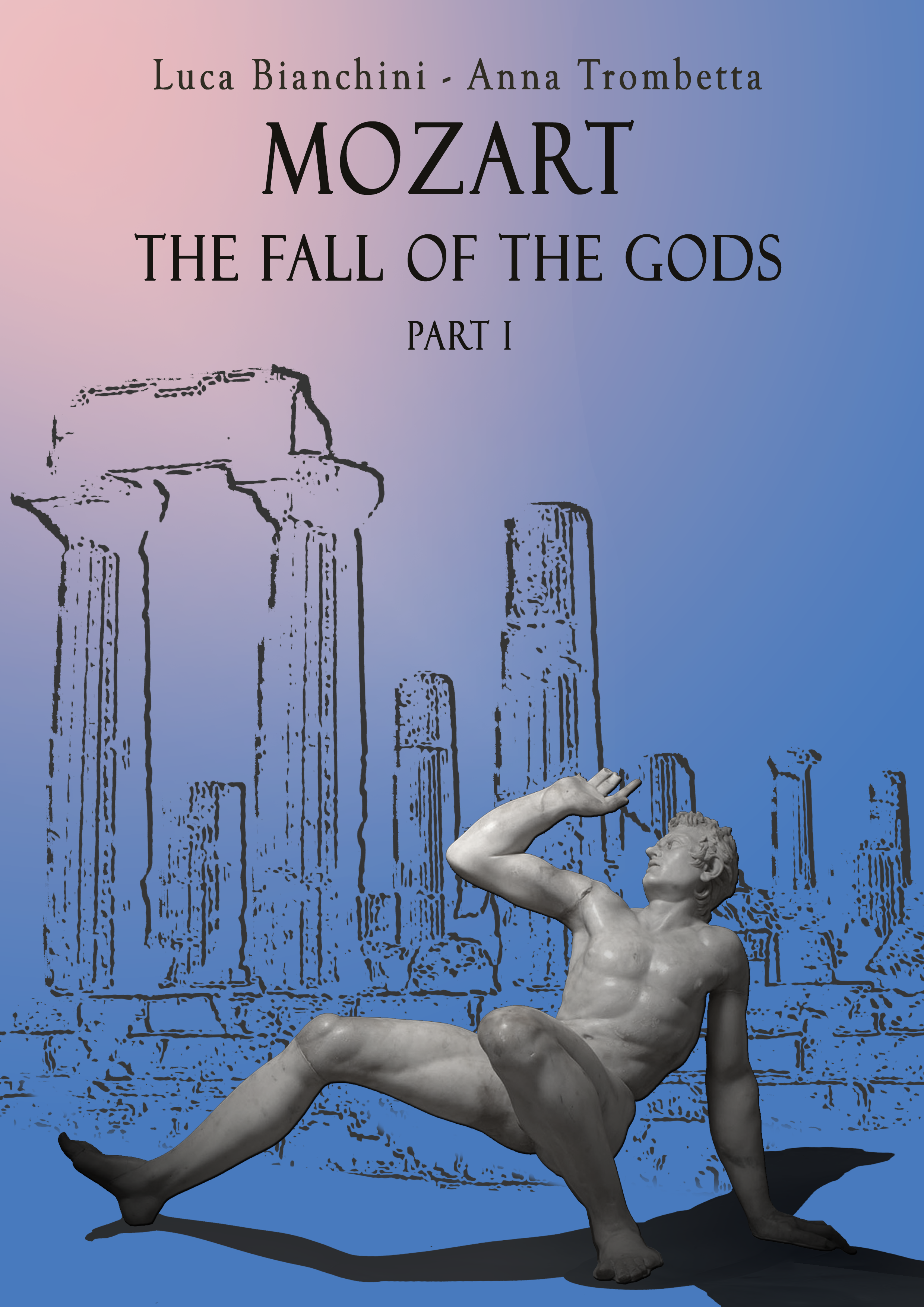
“Mozart began to beat the keys on the harpsichord at three, play short pieces at four, and improvise Minuets at five. His father or sister copied the music that he was not yet able to compose. It is impossible to distinguish what actually came from his invention.”
Mozart: The Fall of the Gods
Mozart’s childhood is often shrouded in romanticised tales of prodigious talent and divine inspiration. Yet, when we look beyond the myths, a different picture begins to emerge—one that highlights contradictions and unspoken realities.
Born into a family where his father, Leopold, was a frustrated and unsuccessful composer, and his mother, Anna Maria, was of “Dinaric race” (as described by German nationalists), Wolfgang’s early years were shaped not by innate genius but by relentless familial expectations. Leopold’s ambition for fame found its outlet in his children, especially Wolfgang and his older sister Nannerl, who was also a talented musician, though her story has been largely overlooked.
Despite Nannerl’s early musical prowess, her contributions have faded into obscurity. Was she overshadowed by her younger brother, or simply a victim of the limitations placed on women in 18th-century society? Wolfgang himself once marvelled at one of her compositions, praising her talent, yet no trace of her work remains today. The focus on Mozart’s child prodigy image disregards the roles of those around him, particularly Nannerl, who may have played a significant part in shaping his development.
Mozart’s so-called “miraculous” early musical abilities were often exaggerated by biographers seeking to reinforce the myth of his genius. His father, keen to promote Wolfgang, carefully curated this image, often with the help of Nannerl, who would copy music that the young Mozart had yet to master. What remains unclear is how much of his early work was truly his own creation, and how much was a product of family collaboration.
You May Also Like
The Mozart Question
In this revealing interview, we delve into the lesser-known aspects of Wolfgang Amadeus Mozart’s life, challenging the long-standing myth of his genius. A Swedish journalist explores how Mozart’s legacy has been shaped and manipulated over time, shedding light on the crucial role played by his father, Leopold, in crafting the career of the famed composer.
Georg Nissen and the Missing Notebooks
After Mozart's death, his widow, Constanze, found a steadfast partner in Georg Nikolaus von Nissen, a Danish diplomat who dedicated his life to preserving the composer's legacy. Nissen not only compiled an extensive biography of Mozart but also uncovered and...
Letters Under Surveillance
In a world without privacy, Leopold Mozart’s letters were carefully crafted not just to inform but to manipulate perceptions. His correspondence reveals a calculated effort to elevate his family’s status while avoiding any mention of failure or controversy.
#3 Leopold Mozart’s Literary Theft
Hidden within the Mozarteum’s archives lies a poem that has long been hailed as a tribute to the young Mozart children. But behind this innocent façade is a story of deception, literary theft, and one father’s ambition to rewrite history.
#4 The Golden Spur
While often portrayed as a prestigious award, the Golden Spur (Speron d’Oro) granted to Mozart in 1770 was far from a reflection of his musical genius. In this article, we delve into the true story behind this now-forgotten honour, its loss of value, and the role of Leopold Mozart’s ambitions in securing it.

Mozart Unmasked: The Untold Story of His Italian Years
Explore the lesser-known side of Wolfgang Amadé Mozart’s early years in Italy. ‘Mozart in Italy’ unveils the complexities, controversies, and hidden truths behind his formative experiences, guided by meticulous research and rare historical documents. Delve into a story that challenges the traditional narrative and offers a fresh perspective on one of history’s most enigmatic composers.