
Dissecting the Flaws in the Portrait and the Music That Wasn't
The Curious Case of Mozart's Phantom Sonata
In a striking case of artistic misattribution, the Musikwissenschaft has rediscovered Mozart through a portrait, attributing a dubious composition to him based solely on a score’s presence. One has to wonder: is this music really Mozart’s, or just a figment of our collective imagination?
Mozart: The Fall of the Gods
This book offers a fresh and critical look at the life of Wolfgang Amadeus Mozart, challenging the myths that have surrounded him for centuries. We strip away the romanticised image of the “natural genius” and delve into the contradictions within Mozart’s extensive biographies. Backed by nearly 2,000 meticulously sourced citations, this work invites readers to explore a deeper, more complex understanding of Mozart. Perfect for those who wish to question the traditional narrative, this biography is a must-read for serious music lovers and historians.
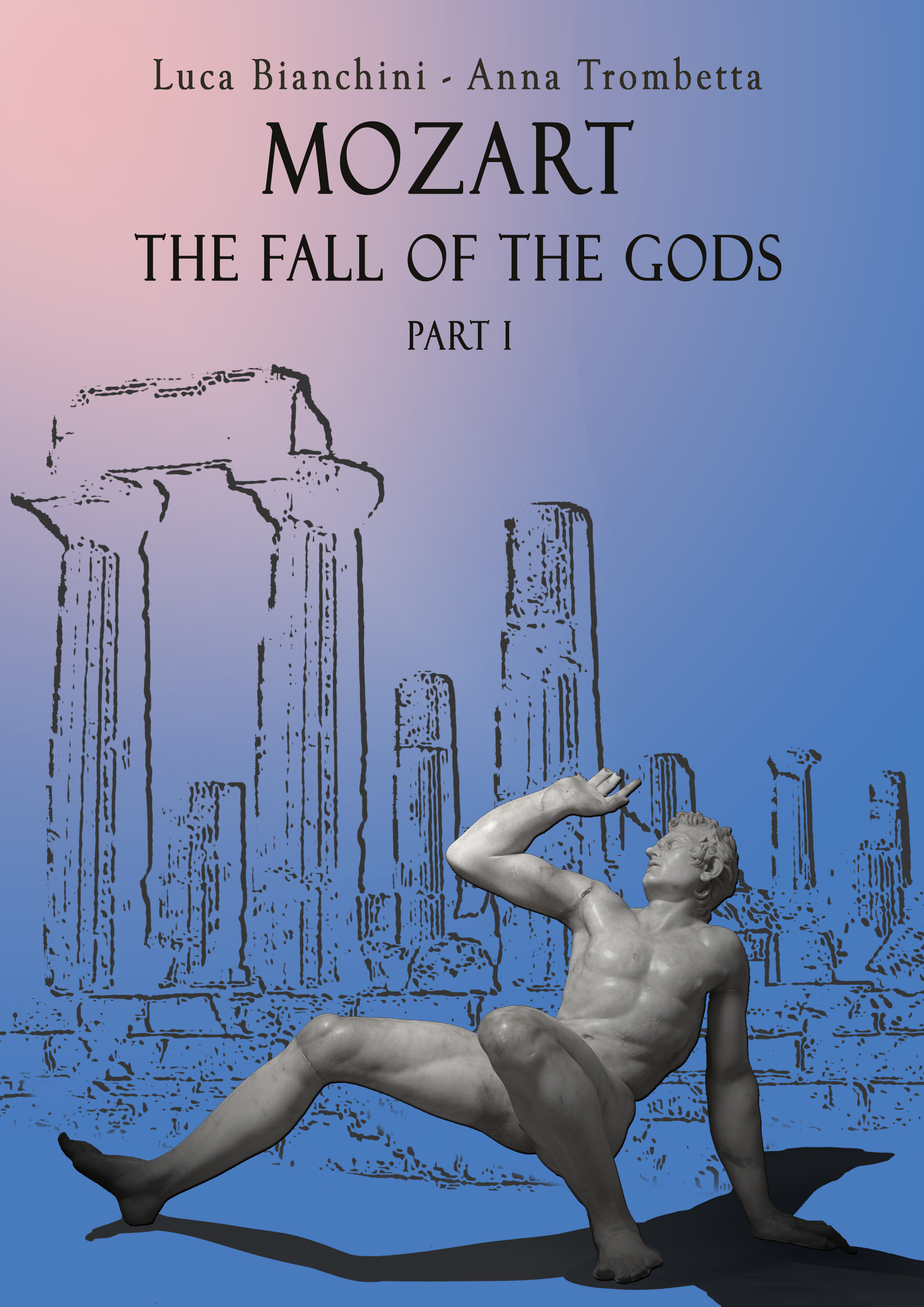
"In the curious case of Mozart's phantom sonata, standing next to a score doesn’t make you a composer—though it does make for a rather amusing tale!."
Mozart: The Fall of the Gods
In a rather amusing twist, the Musikwissenschaft has unearthed a portrait of the young Mozart from his first trip to Italy, only to attribute a composition to him based on nothing more than the appearance of a score in the painting. As if by mere proximity, the child at the harpsichord was anointed a composer! It begs the question: does standing next to a painting of a lion make one a wildlife expert?
The artist behind this questionable portrayal remains shrouded in mystery. Initially thought to be Saverio Dalla Rosa, some now suspect Giambettino Cignaroli may have been at the easel, perhaps in a fit of familial collaboration. Leopold Mozart’s letters provide tantalising yet scant details, revealing that the portrait was executed in just two sittings. One can’t help but wonder if it was more of a rush job than a masterpiece. Leopold mentions the commission but neglects to comment on the music—surely an oversight for such a “historic” moment.
Constanze Mozart, in a later letter, claims knowledge of two portraits of her husband but dances around the specifics like a skilled diplomat. When the painting reappeared in 1856, it was as if a ghost had emerged from the shadows, yet doubts about its connection to Mozart linger like an unwelcome dinner guest.
Perhaps the most outrageous aspect of this story is the complete absence of the original manuscript, signature, date, and any watermarks. It’s almost as if the piece of music existed solely as a clever ruse! The score displayed on the harpsichord doesn’t fit into any known repertoire of Mozart’s; rather, it seems to be an elaborate game of “Who’s That Composer?” with Mozart holding a losing hand.
The notion that this portrait serves as a “souvenir” is equally entertaining. In the 18th century, it was all the rage to immortalise oneself alongside notable props—like an instrument that screams, “Look at me, I’m a musician!” It seems likely that the choice of a score was more about enhancing the subject’s artistic pedigree than about accurately representing his works. Perhaps a piece by Baldassare Galuppi was standing in for Mozart, reminding us that context is everything—unless, of course, you’re trying to score a few points in the grand game of music history.
In summary, the absence of the original manuscript, signature, date, and watermarks raises serious questions about the authenticity of the music attributed to Mozart in this whimsical portrait. The conflation of a young genius’s image with an unverified composition serves as a stark reminder that, sometimes, our romantic notions of history can lead us down a rabbit hole of misattribution. If only it were as simple as being in the right place at the right time!
You May Also Like
Mozart’s Quartet of Lodi: A Dated Work with Many Influences
Mozart’s Quartet of Lodi is often praised as an early masterpiece. But was it really his own work?
Mozart’s Violin Pieces: Substitutes for Failed Movements?
Despite revisions, Mozart’s violin concertos remain flawed, while his minor pieces, K.261 and K.373, surprisingly garner more attention in his correspondence than his major works.
The Questionable Origins of Mozart’s Violin Concertos
Are Mozart’s violin concertos truly original? This article explores the possibility that the Czech composer Josef Mysliveček played a far larger role in their creation than previously acknowledged.

The Kolb Concerto: A Mozartian Mirage?
The Kolb Concerto’s dubious origin and poor musical quality expose yet another myth in the Mozartian canon. If this is the work of a genius, then perhaps we’ve been fooled for centuries.
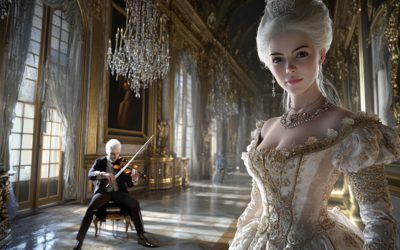
The Adélaïde Deception: Mozart’s “Lost” Violin Concerto and the Art of Musical Forgery
In the early 20th century, the “discovery” of Mozart’s sixth violin concerto in Paris created a sensation. Dubbed the Adélaïde Concerto and supposedly written for Madame Adélaïde of France, it was hailed as a testament to Mozart’s genius. However, as the story unfolds, it becomes clear that this masterpiece was not the work of the child prodigy but rather a carefully orchestrated hoax by Marius Casadesus. Despite its unmasking as a forgery, the concerto continues to captivate audiences, raising questions about authenticity and the music industry’s willingness to deceive for profit.
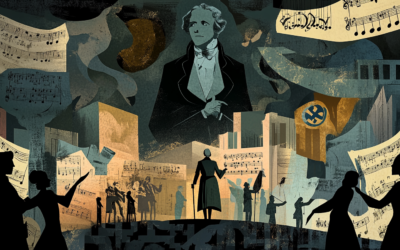
Mozart and the Nationalist Illusion: The 1931 Festival and Its Legacy
The Salzburg Festival, far from being a mere celebration of Mozart’s genius, was born out of nationalist ambitions during a turbulent period in Austro-German history. Conceived by figures like Max Reinhardt, Heinrich Damisch, and Friedrich Gehmacher, the festival was deeply rooted in ultranationalistic ideals, transforming Mozart’s legacy into a tool for cultural dominance. The truth behind its founding has long been obscured, but the primary sources tell a different, darker story.