
Mozart’s Serenade? A New Discovery? Really?
A Controversial Finding in Leipzig Raises Questions About Mozart’s Authenticity
In Leipzig, what was thought to be a new autograph of Mozart turned out to be a questionable copy. Why are such rushed attributions so common for Mozart, and why is it so hard to correct them when proven false?
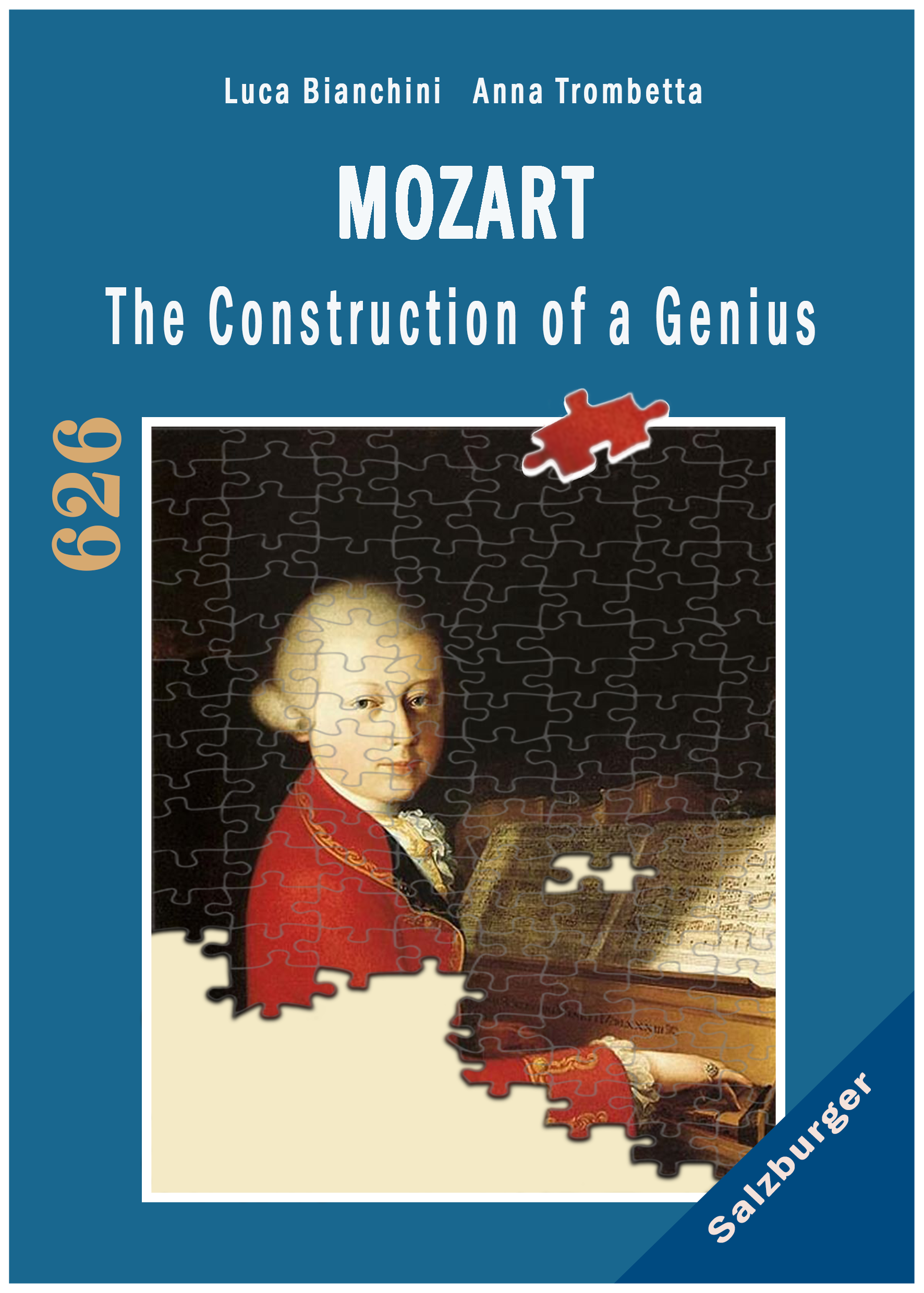
Mozart: The Construction of a Genius
This book offers a fresh and critical look at the life of Wolfgang Amadeus Mozart, challenging the myths that have surrounded him for centuries. We strip away the romanticised image of the “natural genius” and delve into the contradictions within Mozart’s extensive biographies. Backed by nearly 2,000 meticulously sourced citations, this work invites readers to explore a deeper, more complex understanding of Mozart. Perfect for those who wish to question the traditional narrative, this biography is a must-read for serious music lovers and historians.
"The trouble with fiction is that it makes too much sense, whereas reality never makes sense."
Aldous Huxley
Did Leipzig really uncover a new autograph of Mozart? Not quite. What they found was a copy, and even its dating is questionable. The discussions I’ve come across seem more like speculation, but repeating them doesn’t make them true.
At first glance, the title page might make you think it’s by Mozart, but the piece was actually written by an anonymous copyist about twenty years later—assuming that theory is even accurate. Looking at the title page, the supposed author is a certain “Wofgang” (without the L!).
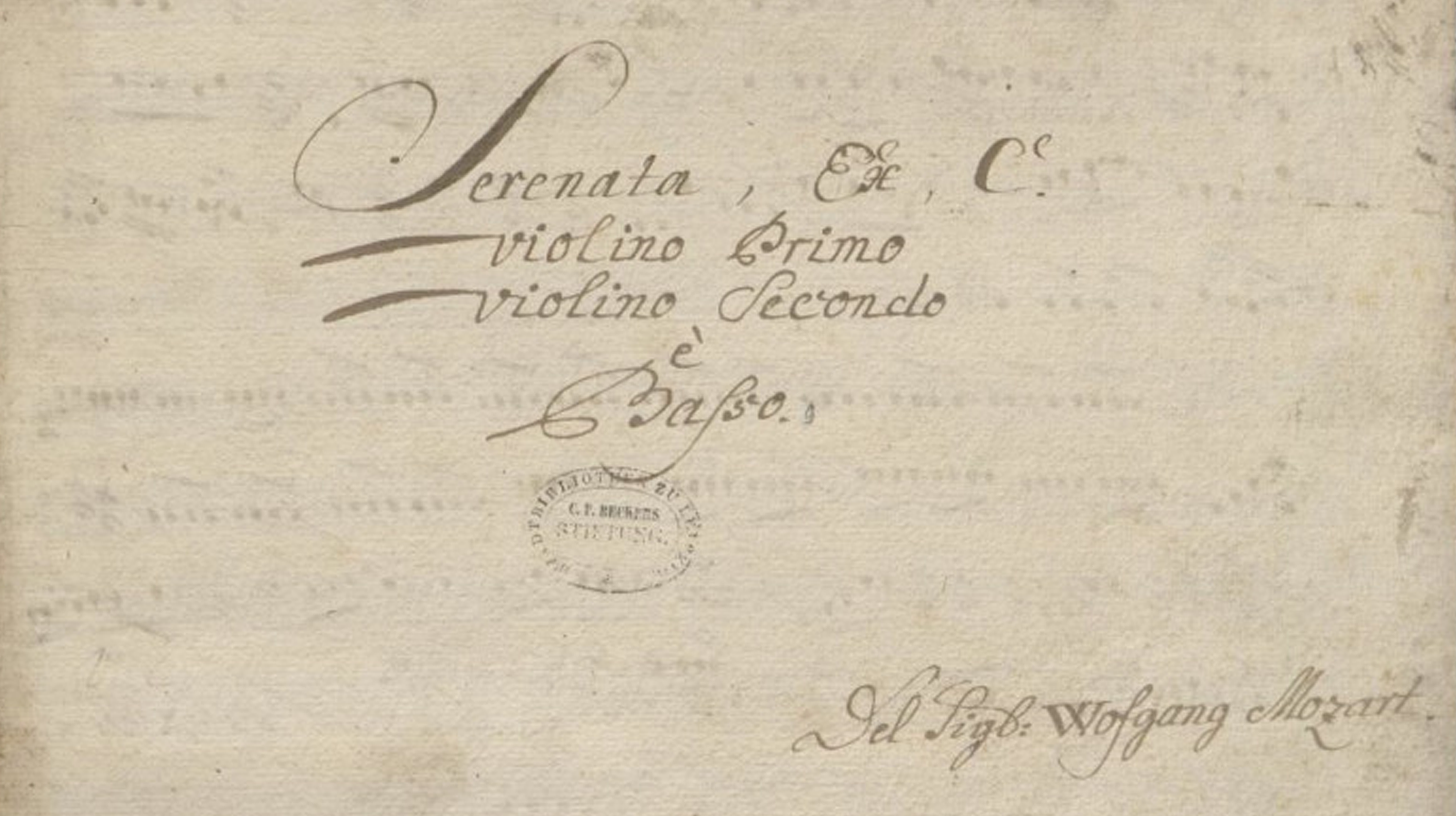
How can we trust an attribution when the name itself is misspelled? For all we know, the music could have been written by his sister, his aunt, or perhaps even a close friend of Leopold. Essentially, anyone.
Without an autograph, a date, a place, or even the correct name, it was almost predictable that this would be quickly absorbed into the Köchel catalogue of Mozart’s works as another “authentic” piece. It’s fascinating to see how eagerly such attributions are made, especially for a figure as iconic as Mozart.
There’s never this kind of urgency when a work, once attributed to Mozart, turns out to have been written by someone else. In those cases, the opposite happens. Once a piece enters the catalogue, it rarely gets removed, even when the evidence clearly shows it’s a forgery.
You May Also Like

Another Example of Borrowed Genius
The myth of Mozart’s genius continues to collapse under the weight of his reliance on others’ ideas, with Leopold orchestrating his son’s supposed early brilliance.

A Genius or a Patchwork?
The genius of Mozart had yet to bloom, despite the anecdotes passed down to us. These concertos were not the work of a prodigy, but a collaborative effort between father and son, built on the music of others.

Myth, Reality, and the Hand of Martini
Mozart handed over Martini’s Antiphon, not his own, avoiding what could have been an embarrassing failure. The young prodigy had a lot to learn, and much of what followed was myth-making at its finest.

Mozart’s K 71: A Fragment Shrouded in Doubt and Uncertainty
Mozart’s K 71, an incomplete aria, is yet another example of musical ambiguity. The fragment’s authorship, dating, and even its very existence as a genuine Mozart work remain open to question. With no definitive evidence, how can this fragment be so confidently attributed to him?

Unpacking Mozart’s Early Education
The story of Ligniville illustrates the pitfalls of romanticizing Mozart’s early life and education, reminding us that the narrative of genius is often a construct that obscures the laborious aspects of musical development.

The False Sonnet of Corilla Olimpica
Leopold Mozart’s relentless pursuit of fame for his son Wolfgang led to questionable tactics, including fabricating a sonnet by the renowned poetess Corilla Olimpica. This desperate attempt to elevate Wolfgang’s reputation casts a shadow over the Mozart legacy.