
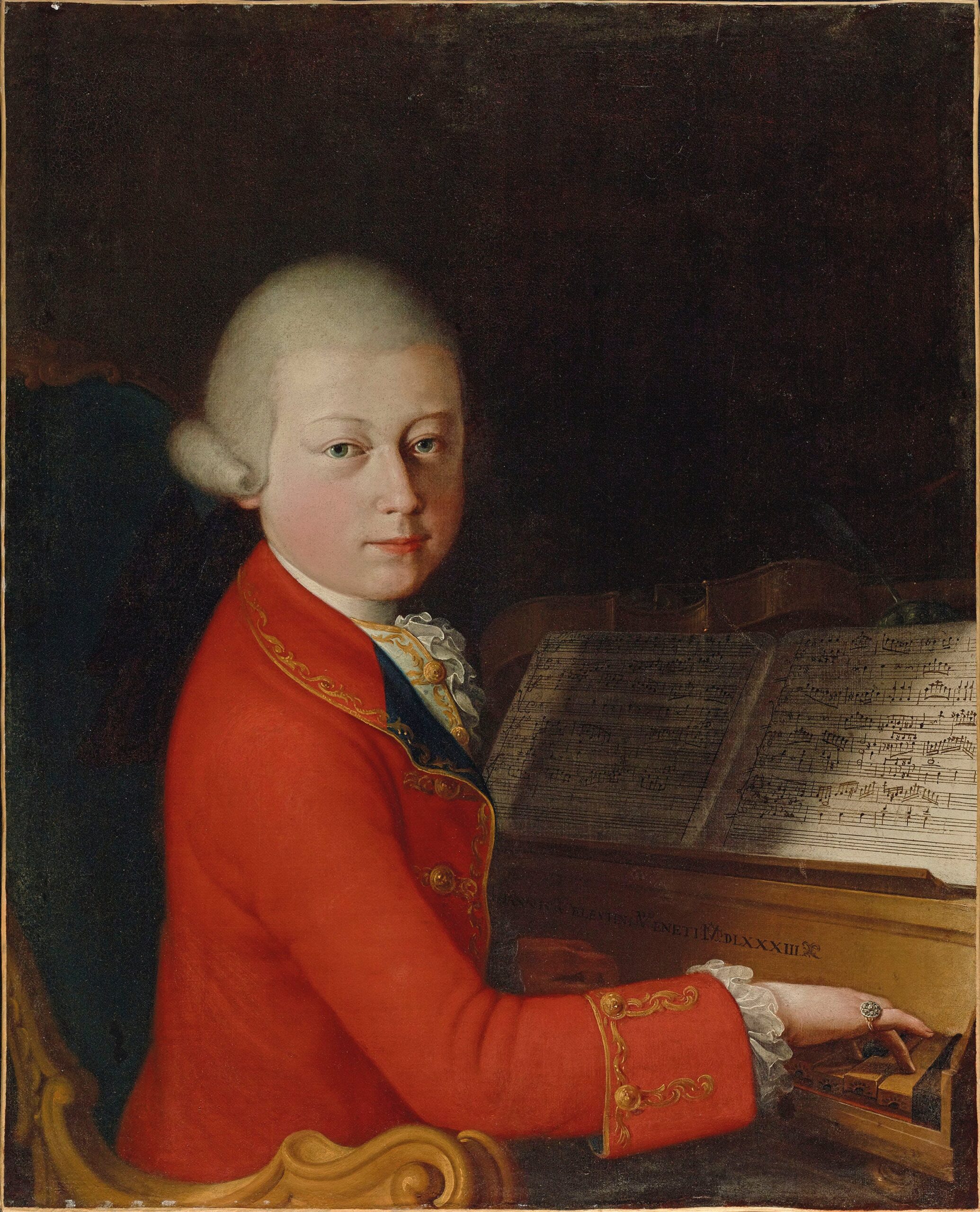
the deconstruction of a myth
Mozart in Reverse
 0009-0003-4067-9222
In the introduction to Mozart’s biography, penned by Constanze Mozart’s second husband, Nissen, it is surprisingly asserted that it’s preferable to conceal the truth, lest Mozart’s image be tarnished.
One does not want, nor can one publicly show their hero as he presented himself in the shadow of privacy; if he could be questioned, he himself would hardly admit it. He was and remains the master of his words, which he could have left unwritten and which he only wrote for the person with whom he wanted to confide. He had weaknesses, shortcomings, which he partly improved later and which one will not have the occasion to reveal. Through the whole truth, his fame, his esteem, and the impression of his works may be damaged.
Ultimately, we don’t believe in hiding the truth, and so we let the primary sources speak.
Who We Are
MozartrazoM is a project by musicologists Luca Bianchini and Anna Trombetta.
The site aims to challenge the traditional narratives surrounding Mozart and his family, offering a critical and often controversial perspective that contrasts with the mainstream glorification of the composer.
In addition, these pages also host some of the finest musicological and critical contributions from other authors who refuse to tell fairy tales and are dedicated to seeking the truth by rigorously investigating the sources.

L.Bianchini & A.Trombetta
Our Books
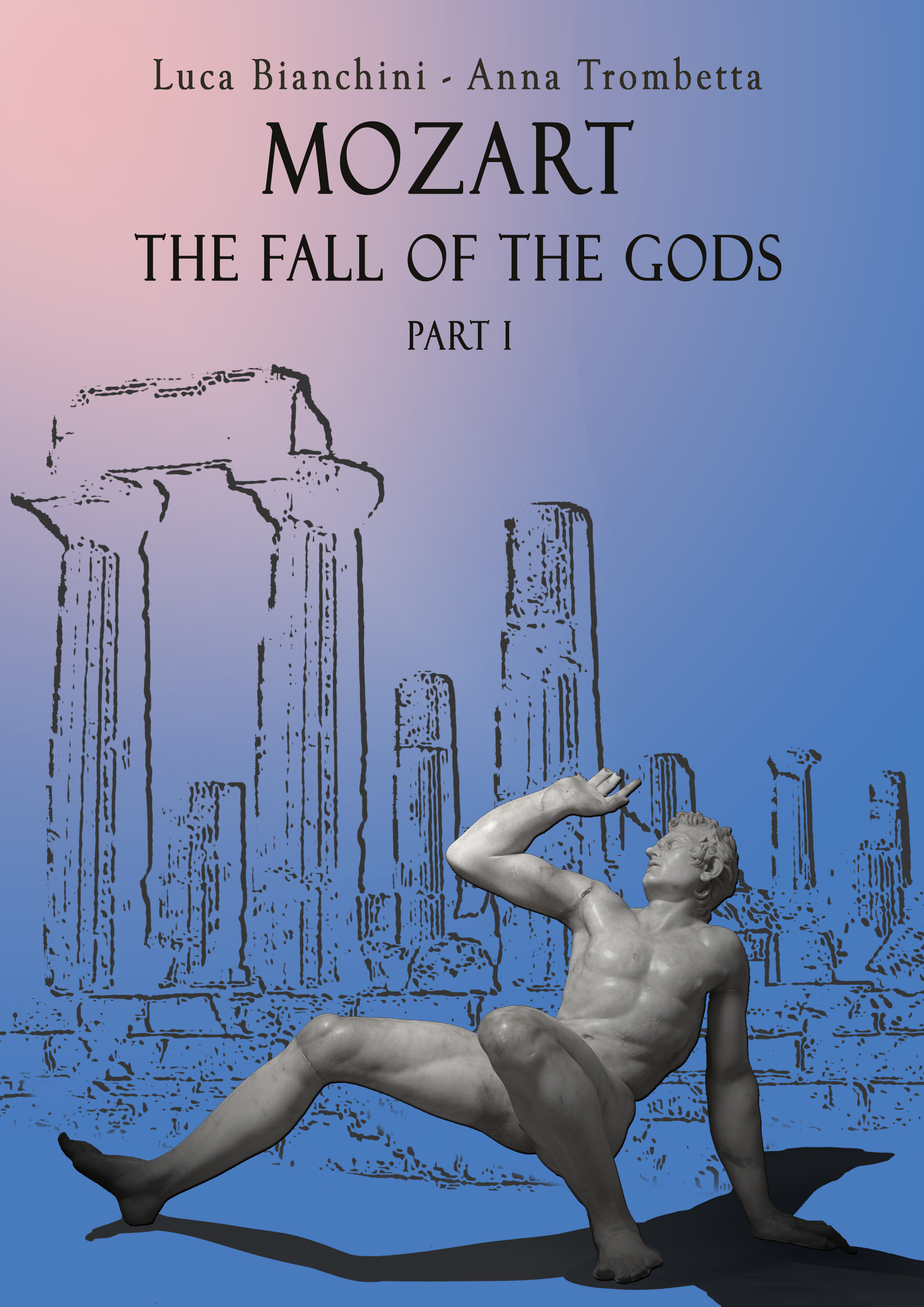
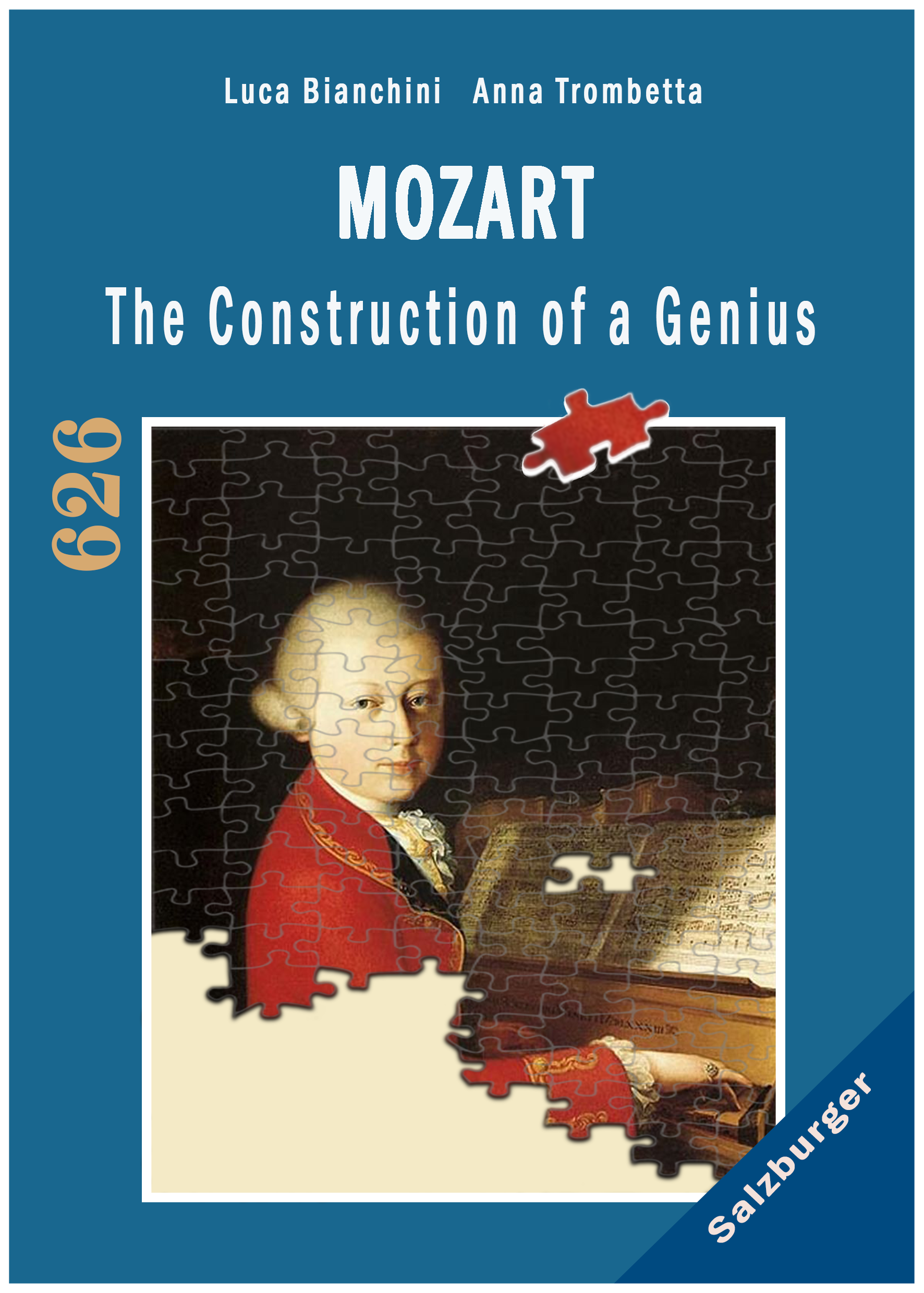
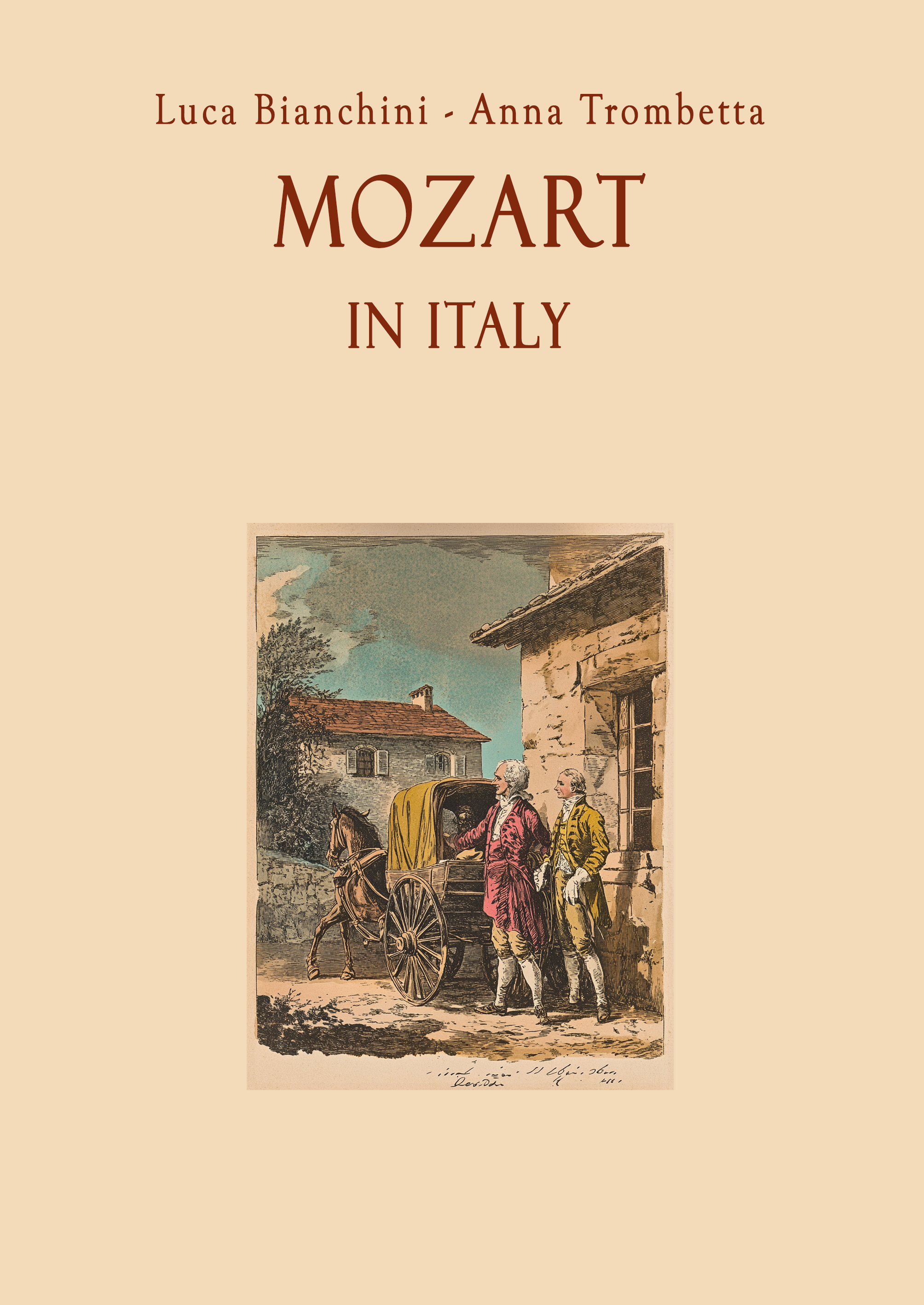
Latest Articles
Selected Research Papers on Mozart

Documentation of Academic Reception and Peer Review of “Mozart. The Fall of the Gods”University adoptions, peer-reviewed evaluations, and the academic debate surrounding Mozart. La caduta degli dei.
(2017–2018, with materials from Ca’ Foscari and Philomusica)
Enlightenment on the Edge: Mozart, Goethe, Mayr, and the IlluminatiNew discoveries on Mozart, Goethe, Mayr, and musical Enlightenment, with a focus on secret societies and cultural propaganda.
(Including The Magic Flute, Enlightenment literature and music)
Mozart’s So-Called Thematic Catalogue: Forensic Evidence of a Posthumous ForgeryForensic and historical analysis of Mozart’s so-called thematic catalogue: documentary evidence, ink studies, and handwriting comparison.
(Full research version – as referenced in IGS2023 proceedings)
A Questionable Catalogue — Poster (IGS2023, Évora)Visual summary and methodology of the forensic analysis of Mozart’s Verzeichnüss aller meiner Werke, presented at IGS2023.
(Poster session, Évora 2023)
A Questionable Catalogue — Extended Abstract (IGS2023, Évora)Official extended abstract, summarizing the critical study and authentication techniques on Mozart’s manuscripts.
(IGS2023, Évora – October 2023)
Blog

The Man Behind the Myth
Leopold Mozart’s legacy has been shaped by myths and hagiographies, but his letters reveal a man more concerned with financial gain and self-promotion than artistic integrity. Was he truly a devoted father, or simply an opportunist?

Constanze vs. The Catholic Church
For over two centuries, scholars have debated the circumstances surrounding Mozart’s burial. Constanze Mozart’s supposed inability to mark his grave, the confrontation with the Catholic Church over funeral masses, and the baffling disappearance of Mozart’s body all contribute to a mystery stranger than fiction. Did a powerful group keep her silent? And what really happened to Mozart’s remains?

Constanze Mozart’s Enduring Love
Although some have doubted her devotion, Constanze’s own words and actions illustrate a widow deeply committed to preserving Mozart’s legacy. Diaries, personal correspondence, and eyewitness testimony all challenge the notion that she neglected his memory—while the circumstances around his burial grow ever more perplexing.
A Revealing New Interview on His Thematic Catalogue
We’re excited to present a brand-new interview that challenges many of the long-held assumptions about Mozart’s Thematic Catalogue (1784–1791). Conducted by Swedish journalist Henry Grynnsten, this conversation delves into groundbreaking forensic techniques—like advanced ink analysis and digital image processing—that may change the way we view Mozart’s late works.
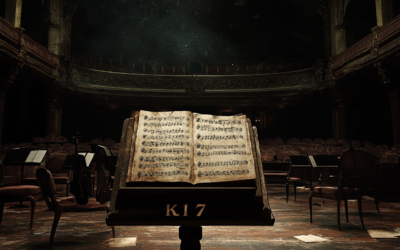
The Rattling Symphony: A Critical Take on K. 17
Often attributed to Mozart, the K. 17 symphony is anything but refined. Lacking orchestration and filled with gaps, it raises more questions than answers about its true authorship.
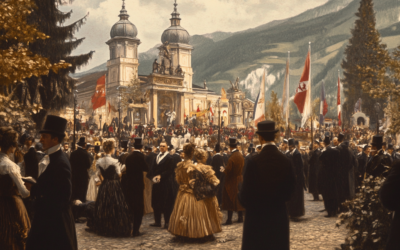
The Hidden Origins of the Salzburg Festival: A Nationalist Dream
The Salzburg Festival, far from being a mere celebration of Mozart’s genius, was born out of nationalist ambitions during a turbulent period in Austro-German history. Conceived by figures like Max Reinhardt, Heinrich Damisch, and Friedrich Gehmacher, the festival was deeply rooted in ultranationalistic ideals, transforming Mozart’s legacy into a tool for cultural dominance. The truth behind its founding has long been obscured, but the primary sources tell a different, darker story.
Events
No Results Found
The page you requested could not be found. Try refining your search, or use the navigation above to locate the post.
In the Spotlight
No Results Found
The page you requested could not be found. Try refining your search, or use the navigation above to locate the post.
What Experts Say
Martin Jarvis
professor
I am delighted that our research has provided evidence to support the proposition, made by Luca Bianchini and Anna Trombetta, that the Thematic Catalogue is not what it purports to be; we have concluded that it is a counterfeit document.
Alberto Basso
musicologist
In this field, driven by the enthusiasm of those who explore new worlds and are aware of the uncommon value of their work, the discoverers of that score, Anna Trombetta and Luca Bianchini, embarked on a broad-ranging research journey.
Edoardo Catemario
concert artist
With Mozart: The Fall of the Gods, you have completely changed my way of thinking
Roberto Piana
professor
What a fantastic evening! I was once again impressed by the deep expertise of Luca Bianchini and Anna Trombetta, and by their remarkable ability to clarify and simplify some of the most delicate and complex aspects of the Mozart story.
Roberto Piana
professor
I consider Bianchini and Trombetta among the most skilled and courageous truth-seekers in the field.

* By submitting this form, you agree to the processing of your personal data as described in our Privacy Policy